First: Overview of Global Market Movements
Global markets are experiencing sharp volatility driven by intertwined geopolitical and monetary factors, most notably the Strait of Hormuz crisis and anticipation of U.S. monetary policy decisions.
1. Major Asset Prices
- U.S. Dollar Index (DXY): Slight increase of 0.18 % with a general tendency toward stability.
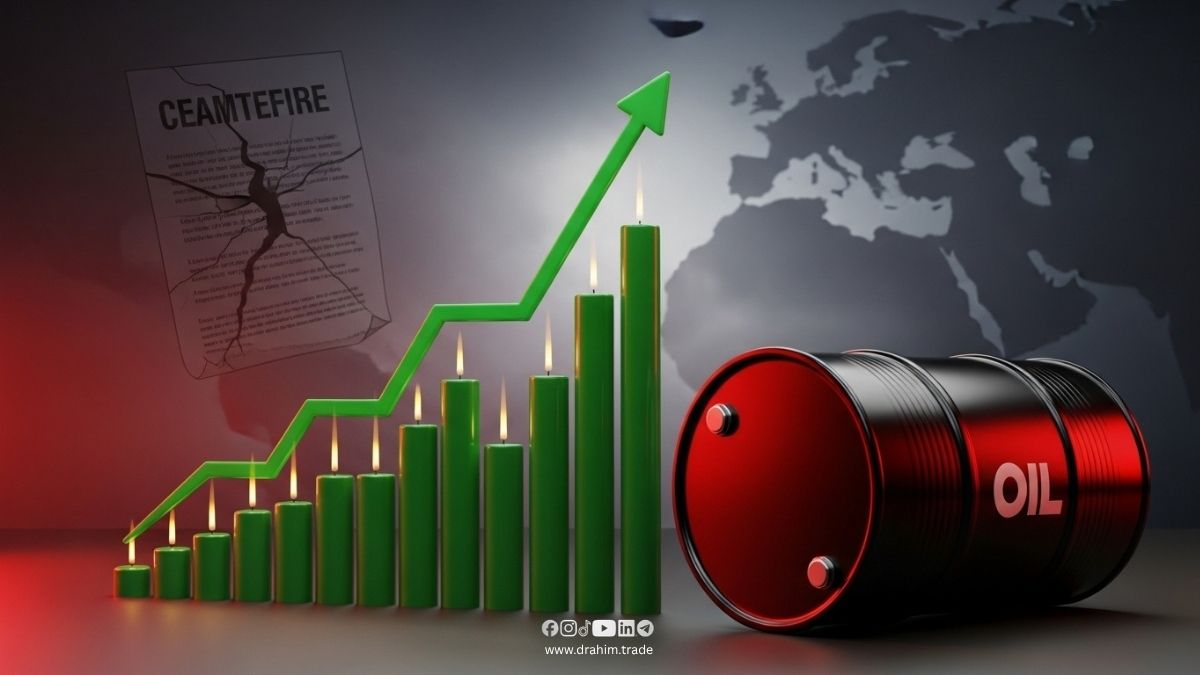
- Oil (Brent): Rose to $110.5 per barrel, up roughly 2%.
- Gold: Declined to around $4,642 per ounce, down about 1.1%.
- EUR/USD: Facing downward pressure due to dollar strength and rising oil prices.
- U.S. Indices:
- S&P 500: Slight rise of ~0.1%.
- Nasdaq: Nearly flat.
- Dow Jones: Limited positive movements.
- S&P 500: Slight rise of ~0.1%.
Reasons Behind Price Movements
- Oil prices increased due to disruptions in global supply.
- Rising inflation expectations put pressure on gold.
- Anticipation of Federal Reserve decisions supported the dollar.
- Corporate earnings resilience supported equities despite risks.
Second: Key Factors Affecting Markets
1. Anticipation of the Federal Reserve Decision
Markets are awaiting the Federal Reserve’s decision, with expectations that interest rates will remain higher for longer due to inflation driven by energy prices.
2. Rejection of the Iranian Proposal by President Trump
The rejection has prolonged political deadlock, increasing geopolitical risks and raising market risk premiums.
3- Continued Closure of the Strait of Hormuz
About 20% of global oil trade passes through the strait. Its continued closure has caused a supply shock, making it one of the largest disruptions in the history of the energy market.
4. Rising Oil Prices
Oil surges above $100 are fueling global inflation and pressuring economic growth, with expectations that high prices may persist.
Third: Economic Analysis
Economists believe markets are facing a complex mix of high inflation and slowing growth:
- Expert Ray Dalio highlighted gold as a safe haven, recommending allocating 5–15% of portfolios due to uncertainty.
- Economists warn that rising oil prices may slow growth and increase recession risks.
- There are concerns about global stagflation due to rising energy costs and supply chain disruptions.
Economic Outlook
- Continued geopolitical tensions will keep inflation elevated.
- Central banks have limited ability to cut interest rates.
- Markets may be more fragile than they appear despite stock resilience.
Fourth: Future Scenarios
Scenario 1: Continued Escalation (High Probability)
- Oil remains between $100–125.
- Inflation persists.
- Pressure on equities.
Reason: Ongoing strait closure and lack of political resolution.
Scenario 2: Partial De-escalation (Medium Probability)
- Gradual decline in oil prices.
- Improved risk appetite.
- Currency stabilization.
Reason: Progress in negotiations or easing of shipping restrictions.
Scenario 3: Full Resolution (Low Probability)
- Oil drops below $90.
- Strong equity rebound.
- Weaker dollar.
Reason: Comprehensive political agreement and full reopening of the strait.
Conclusions and Recommendations
Conclusions
- Markets are currently driven more by geopolitics than traditional economic factors.
- Oil has become the primary driver of inflation and monetary policy.
- There is a gap between financial market performance and underlying economic risks.
Recommendations
- Diversify investment portfolios with increased exposure to defensive assets like gold.
- Be cautious about excessive optimism in equity markets.
- Closely monitor Federal Reserve decisions and developments in the Strait of Hormuz on a daily basis.
- Prepare for heightened volatility in the coming period.
Overall, global markets remain in a sensitive and unstable phase, with future direction largely dependent on political developments in the Middle East and central bank decisions.