Analytical Report: Central Bank Meetings and Their Impact on Global Markets
First: Current Interest Rates and Their Drivers
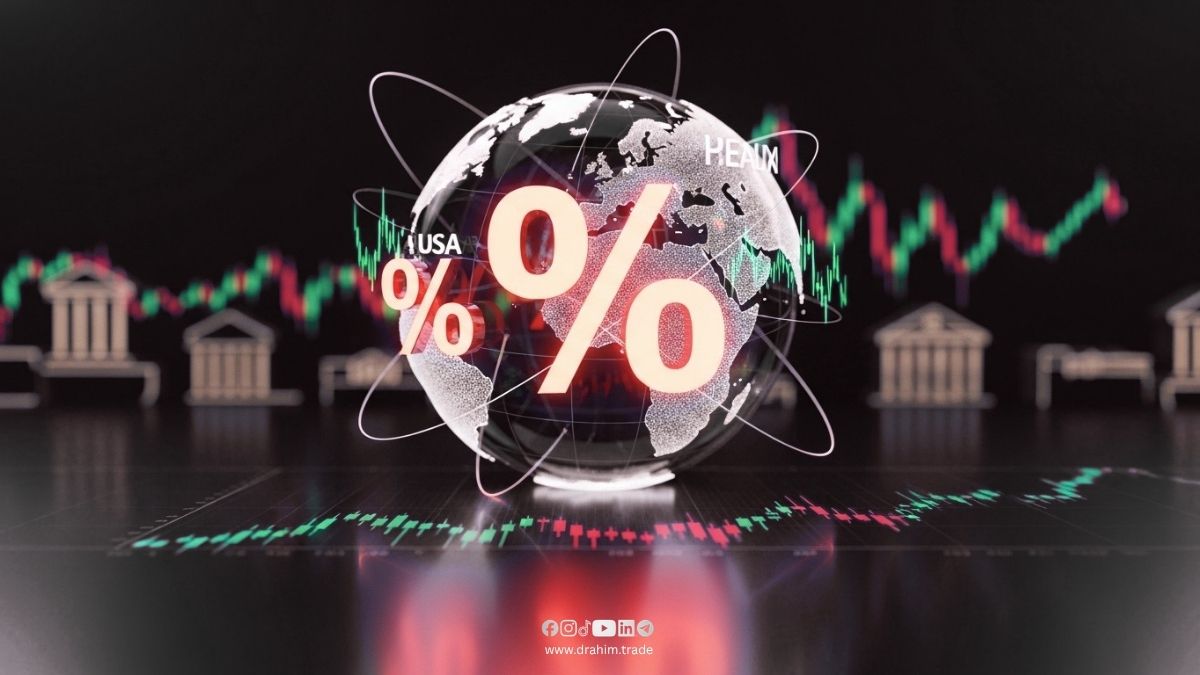
Major economies are experiencing a cautious monetary stance as central bank meetings approach this week. The U.S. Federal Reserve’s interest rate stands at 3.75%, following a series of consecutive hikes aimed at combating inflation, reaching its highest level in over two decades before a phase of monetary easing brought it to the current level. Meanwhile, the Bank of England maintains a rate at 3.75%, and the European Central Bank’s rate is 2.15%.
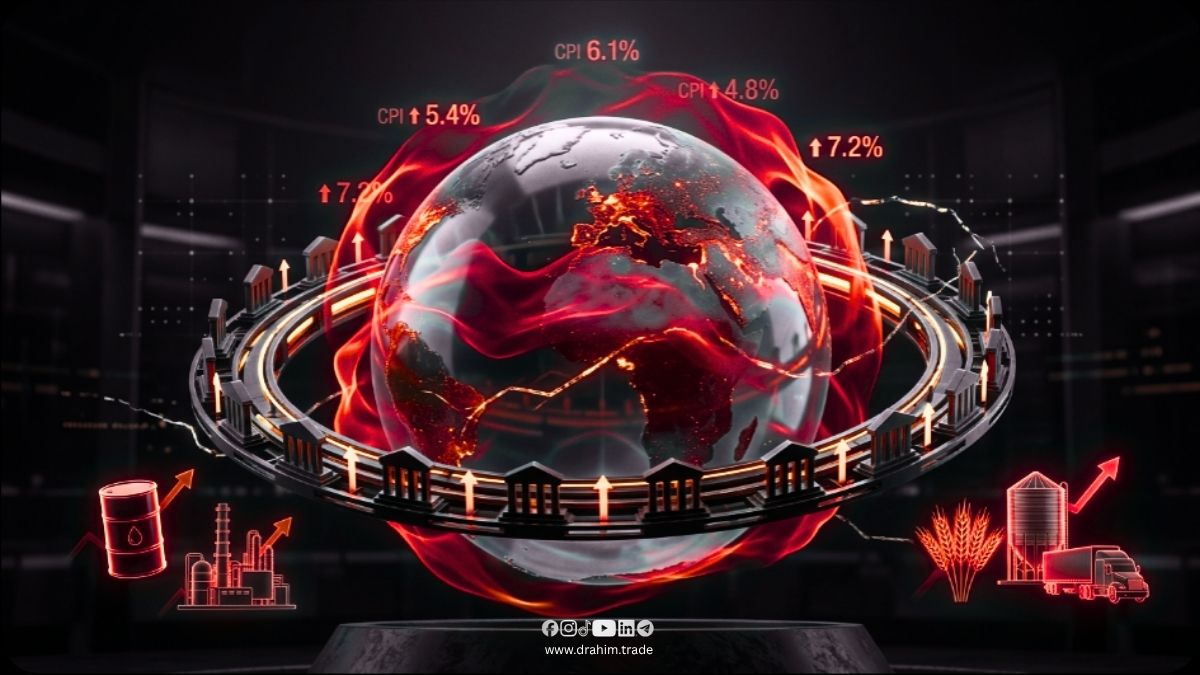
These rates have seen significant increases since 2022. U.S. interest rates rose by more than 500 basis points, UK rates by about 515 basis points, and European rates by around 450 basis points. These hikes are primarily attributed to post-pandemic inflation, supply chain disruptions, the war in Ukraine, and previous monetary stimulus policies that injected substantial liquidity into markets.
Second: Key Market Drivers
1. Anticipation of Central Bank Decisions
Global markets are in a state of heightened anticipation regarding decisions by the U.S. Federal Reserve and the European Central Bank. These decisions directly impact equity, currency, and commodity markets. Any indication of holding or cutting interest rates could support financial markets, while continued monetary tightening may lead to selling pressure.
2. Continued Closure of the Strait of Hormuz
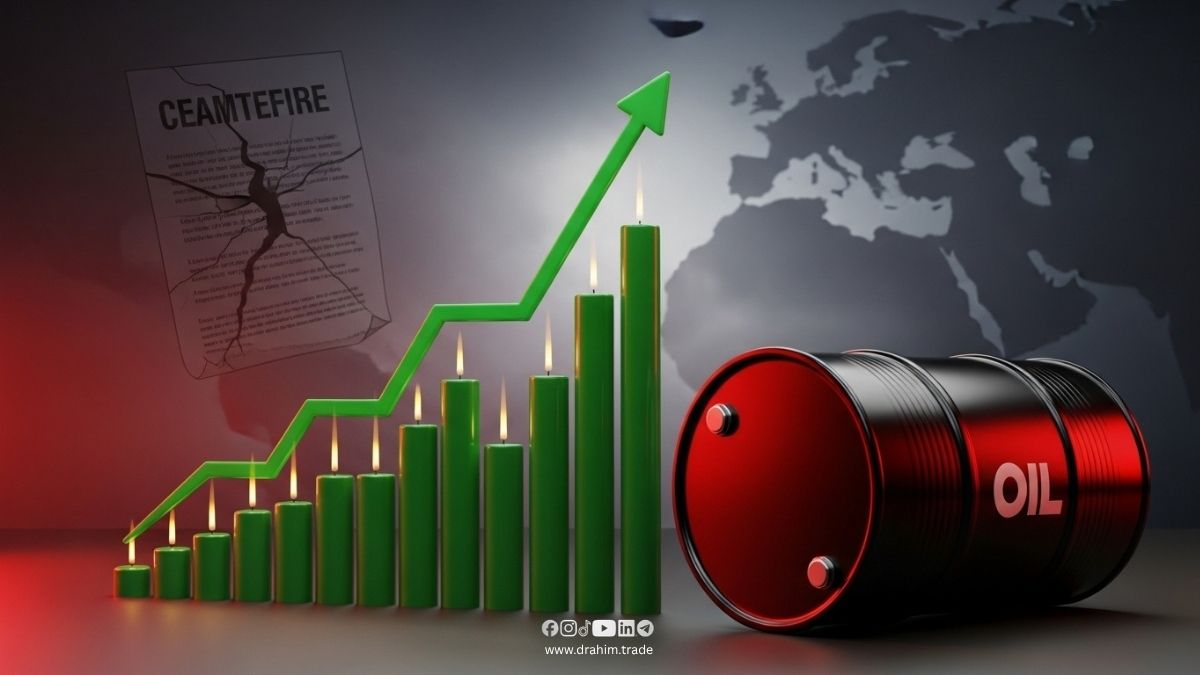
The Strait of Hormuz is a critical global oil transit chokepoint. Its continued closure significantly raises energy prices, thereby increasing inflationary pressures. This situation places central banks in a difficult position between controlling inflation and supporting economic growth.
Third: Economic Analysis
1. Impact of Geopolitical Tensions
Geopolitical tensions increase uncertainty, prompting monetary policymakers to adopt more cautious approaches. Rising energy and food prices resulting from international conflicts directly affect inflation rates, which may lead central banks to keep interest rates elevated for longer periods.
2. Major Economic Challenges
- * United States: Facing a slowdown in the labor market and risks of a partial recession, despite continued strong consumer spending.
- * European Union: Struggling with weak industrial growth and high energy costs.
- * United Kingdom: Experiencing structurally high inflation and pressure on the housing market.
These challenges make balancing inflation control with economic growth highly complex.
Fourth: Future Scenarios
Scenario 1: Holding Interest Rates (Most Likely – 50%)
Central banks are likely to maintain current rates to assess the impact of previous policies. This scenario is supported by a relative decline in inflation, though it remains above target levels.
Scenario 2: Gradual Rate Cuts (30% Probability)
Some central banks, particularly in Europe, may begin cutting rates if clear signs of sharp economic slowdown emerge. The aim would be to support growth and prevent a deep recession.
Scenario 3: Additional Rate Hikes (20% Probability)
If inflationary pressures persist—especially due to rising energy prices linked to tensions in the Strait of Hormuz—central banks may resort to further rate hikes, despite the associated risks to economic growth.
Conclusions and Recommendations
Current indicators suggest that global monetary policy is entering a “wait-and-see” phase, with a slight bias toward easing if economic growth weakens. However, geopolitical risks, particularly in energy markets, could disrupt this trajectory.
Recommendations:
- * Closely monitor inflation and energy data on a daily basis to gauge monetary policy trends.
- * Diversify investments to mitigate risks arising from market volatility.
- * Exercise caution in short-term investment decisions due to market sensitivity to central bank statements.
Overall, the path of interest rates will depend on a delicate balance between controlling inflation and avoiding a global economic recession—an equilibrium that will shape the global economic outlook in the coming period.