Report on U.S. Inflation from 2026 to 2030
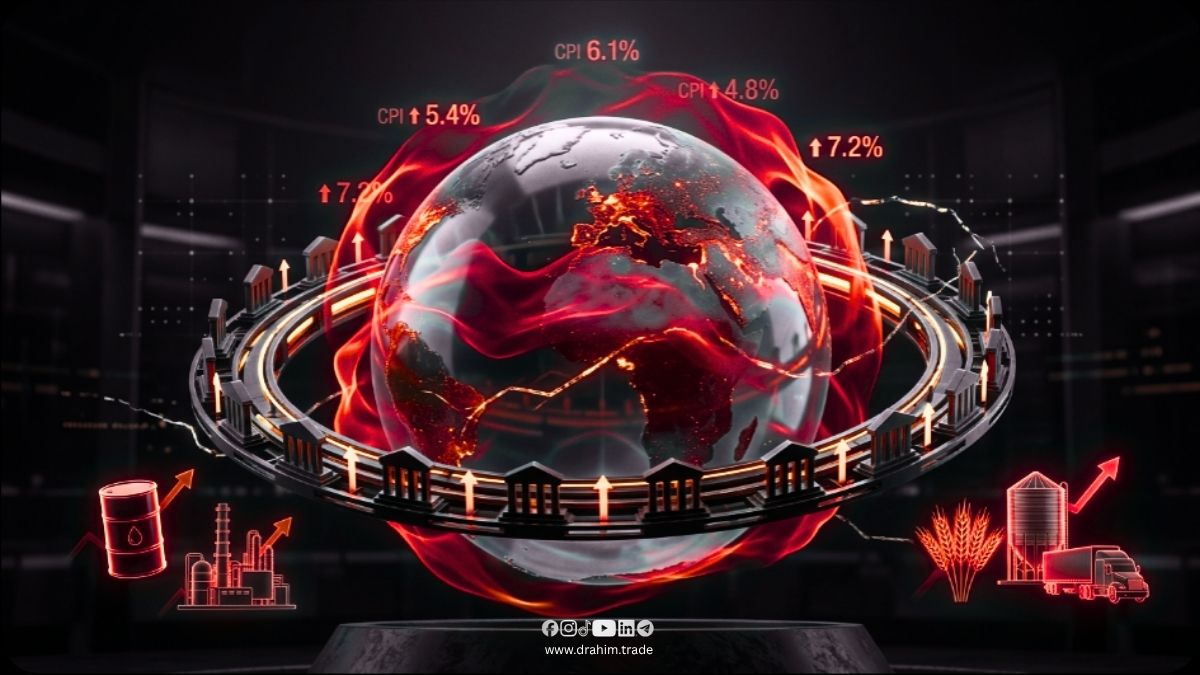
The U.S. economy witnessed a return of inflationary pressures in 2026 after a period of relative slowdown. According to the Consumer Price Index (CPI) data released yesterday evening, annual inflation rose to 3.8% in April compared to 3.3% in March, while the monthly index increased by 0.6%, marking the highest level since 2023.
Causes of the Current Inflation Situation:
The current inflationary environment is driven by several factors, most notably:
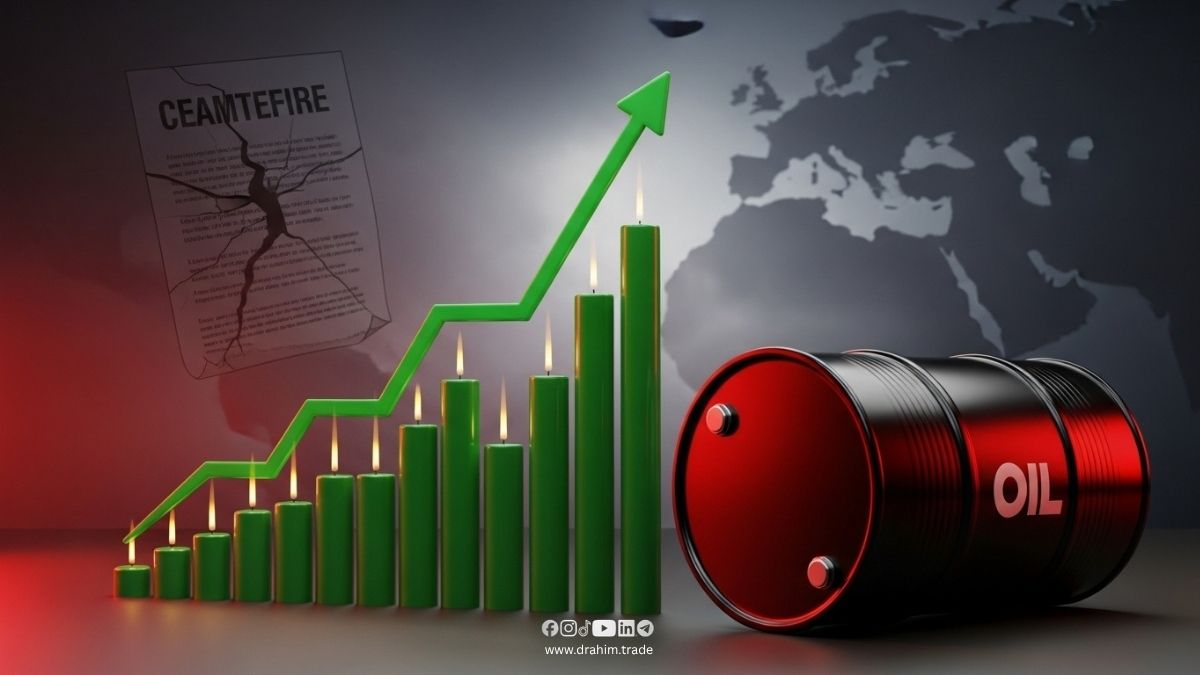
1- Rising energy prices due to geopolitical tensions in the Middle East.
2- Higher housing and service costs.
3- Continued strength in U.S. consumer spending and the labor market.
4- In addition, large government spending over recent years has contributed to keeping demand elevated despite higher interest rates.
Analysis of the U.S. Inflation Report
Analysis of the latest CPI report indicates that inflation is no longer limited to energy prices alone. It has expanded into broader sectors such as rents, services, and healthcare, making the Federal Reserve’s task more difficult.
Core inflation also reached 2.8%, indicating that price pressures have become more deeply rooted in the economy.
Relationship Between U.S. Inflation and Global Inflation
U.S. inflation is directly linked to global inflation because the United States represents the world’s largest economy, and the U.S. dollar is the primary currency for international trade. When U.S. prices and interest rates rise, global financing costs increase, along with energy and dollar-denominated commodity prices. As a result, inflation waves quickly spread to Europe, Asia, and developing countries.
U.S. Inflation and Developing Countries
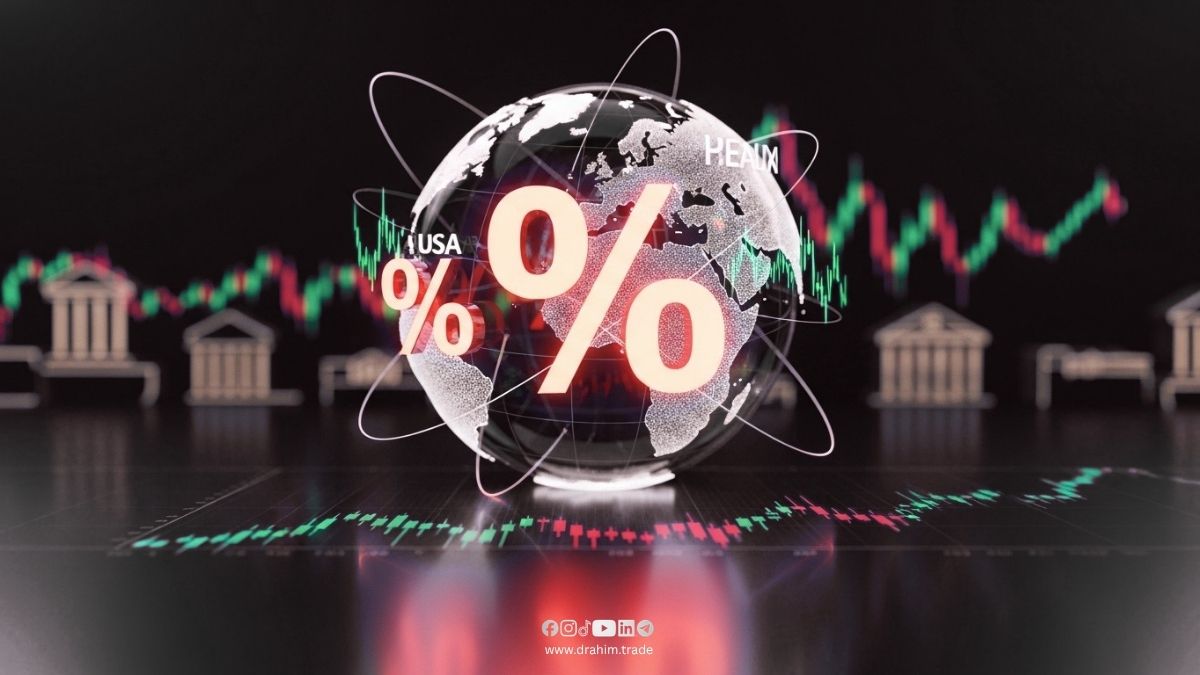
Developing countries are affected more severely, as higher U.S. interest rates lead to capital outflows from emerging markets toward the dollar. This weakens local currencies and raises the cost of imports and external debt servicing.
These effects are clearly visible in countries such as Egypt, which still faces relatively high inflation rates despite slowing to around 14.9% in April 2026.
Inflation in the United States and Its Impact on Large Corporations and Startups
Major global corporations are generally able to adapt to inflation by increasing prices or diversifying supply chains, especially technology and energy companies.
In contrast, startups suffer more due to higher financing costs and declining venture capital investments, as investors tend to prefer safer assets during periods of high interest rates. Consequently, recent years have seen a relative slowdown in startup funding globally.
How the Trump Administration Contributes to Reducing Inflation
The current U.S. administration is actively seeking to reduce inflation and improve living standards through:
1- Cooperation with the Federal Reserve.
2- Efforts to stabilize energy prices.
3- Encouraging domestic industrial investment.
4- Supporting supply chains.
However, the success of these policies remains dependent on oil price stability and reduced geopolitical tensions.
U.S. Inflation Forecasts
Regarding expectations through 2030, there are three main scenarios:
1- Positive Scenario:
Inflation gradually declines to around 2%–2.5% by 2028 if energy prices stabilize and the Federal Reserve succeeds in achieving a “soft landing.”
2- Moderate Scenario:
Inflation remains between 3% and 4% due to continued government spending and rising wages and service costs.
3- Negative Scenario:
Inflation rises again above 5% if geopolitical crises persist or if the global economy experiences new disruptions in energy and trade markets.
Despite the risks posed by inflation, it is unlikely that the United States will lose its global economic leadership over the next decade due to the strength of the dollar, advanced American technology, and deep financial markets. However, persistently high inflation could gradually reduce U.S. economic competitiveness and provide China, India, and other countries with opportunities to narrow the economic gap.
Advice for Investors
For investors, it is advisable to:
1- Diversify investment portfolios across stocks, gold, and bonds.
2- Focus on sectors capable of resisting inflation, such as energy, artificial intelligence, and healthcare.
3- Avoid high-interest debt.
4- Maintain sufficient liquidity to seize opportunities during periods of market volatility.