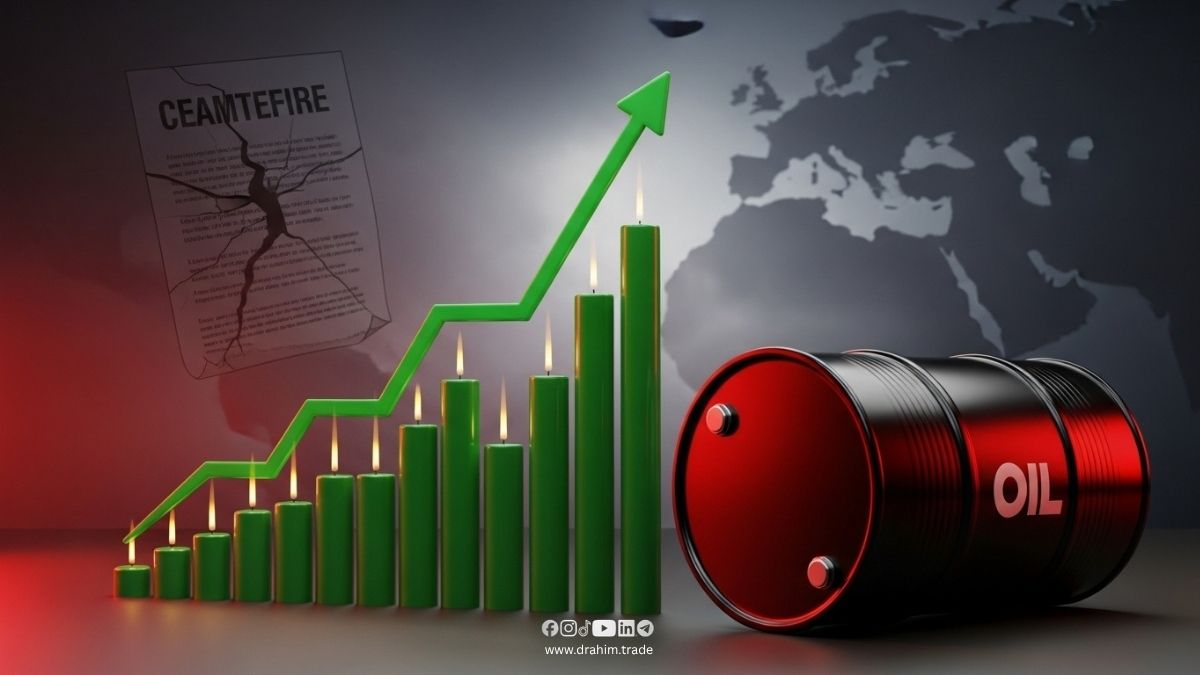
Oil Soars Again After Trump Rejects Iranian Proposal
Oil prices moved higher in Tuesday trading, as developments in the U.S.–Iran conflict have become increasingly discouraging. The continued closure of the Strait of Hormuz, along with the U.S. administration’s rejection of the Iranian proposal, signals a prolonged global energy supply crisis.
After the Iranian regime presented a proposal calling for delaying negotiations on halting its nuclear activities in exchange for reopening the Strait of Hormuz, U.S. President Donald Trump rejected the offer. This condition remains the most critical and fundamental demand for the United States in order to end the conflict.
Trump described the Iranian regime as divided and evasive. With the ongoing U.S. blockade of Iranian ports and the prevention of any Iranian oil tankers from passing through the Strait of Hormuz, market sentiment has turned increasingly pessimistic—especially in high-risk markets. At the same time, oil prices have risen due to uncertainty surrounding crude supply and key commodities.
Brent crude is trading today at $104.23 per barrel, its highest level in nearly twenty days. This rise reflects energy market sentiment that negotiations between the conflicting parties have reached a deadlock. Meanwhile, West Texas Intermediate (WTI) is trading at $99.62 per barrel.
Oil prices had declined earlier this month following statements by Trump indicating readiness to end the war and suggesting that the conflict was nearing its conclusion. He stated that the primary objective—limiting Iranian influence—had already been achieved by U.S. forces. However, these statements have not been supported by developments on the ground, and market movements continue to reflect actual events.
The Federal Reserve’s View on Current Developments
Minutes from the Federal Reserve’s previous meeting showed that most members leaned toward keeping interest rates unchanged. This decision was driven by concerns over rising oil prices and their impact on inflation. A new U.S. interest rate decision is set to be announced tomorrow, and it is likely that the Fed will maintain current rates, as there is no urgent need to move toward monetary easing.
Gold Prices Decline
The political situation in the Middle East has weighed on gold prices in today’s trading, pushing them down to $4,591 per ounce in the spot market. This level is considered strong support from which prices could rebound. However, ongoing geopolitical tensions may dictate otherwise—especially if oil prices and the U.S. dollar continue to rise. The U.S. Dollar Index has climbed to 98.53 against a basket of major currencies, though it remains within its recent daily range.